Making Chocolate in
St. Lucia
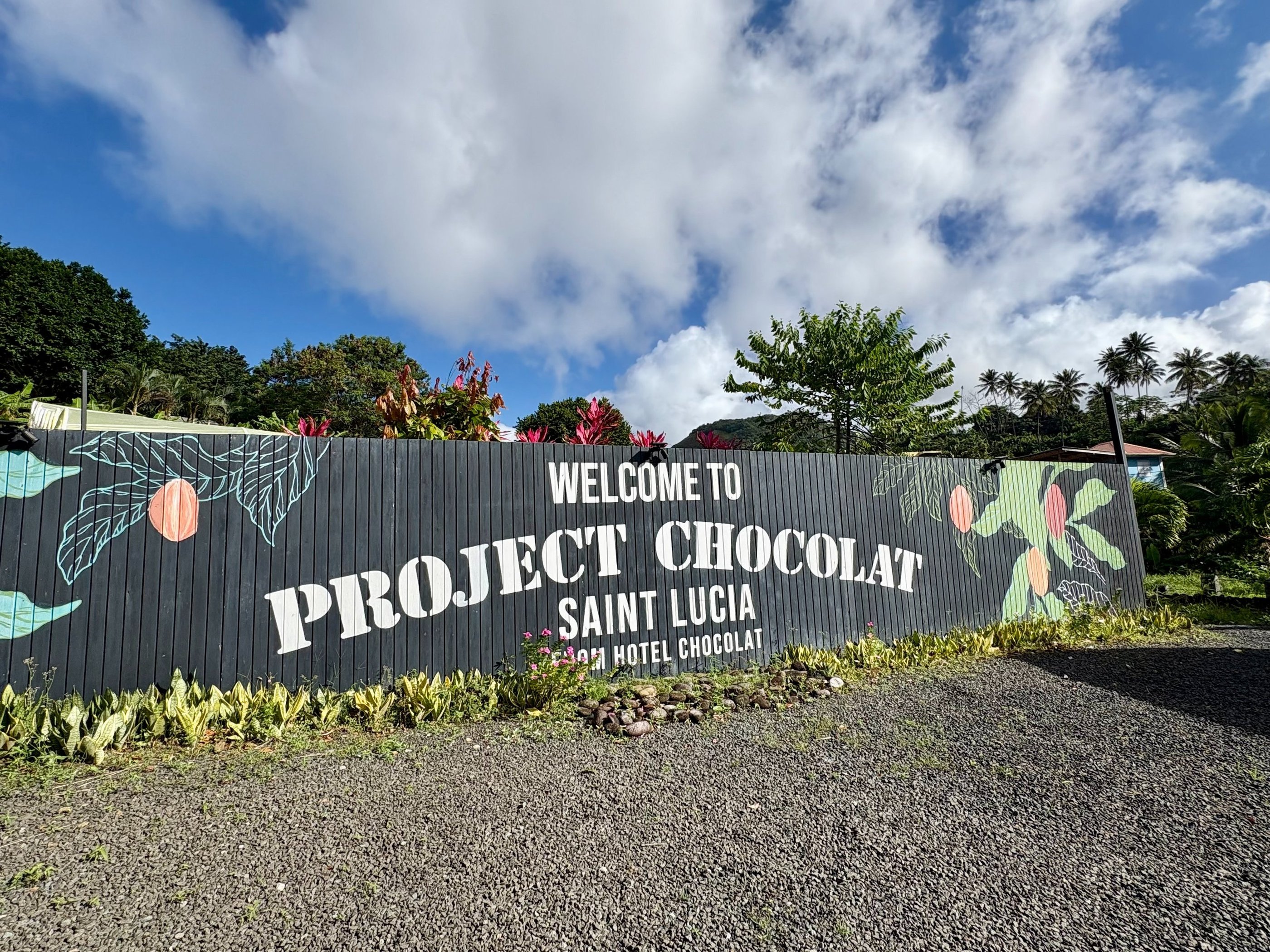
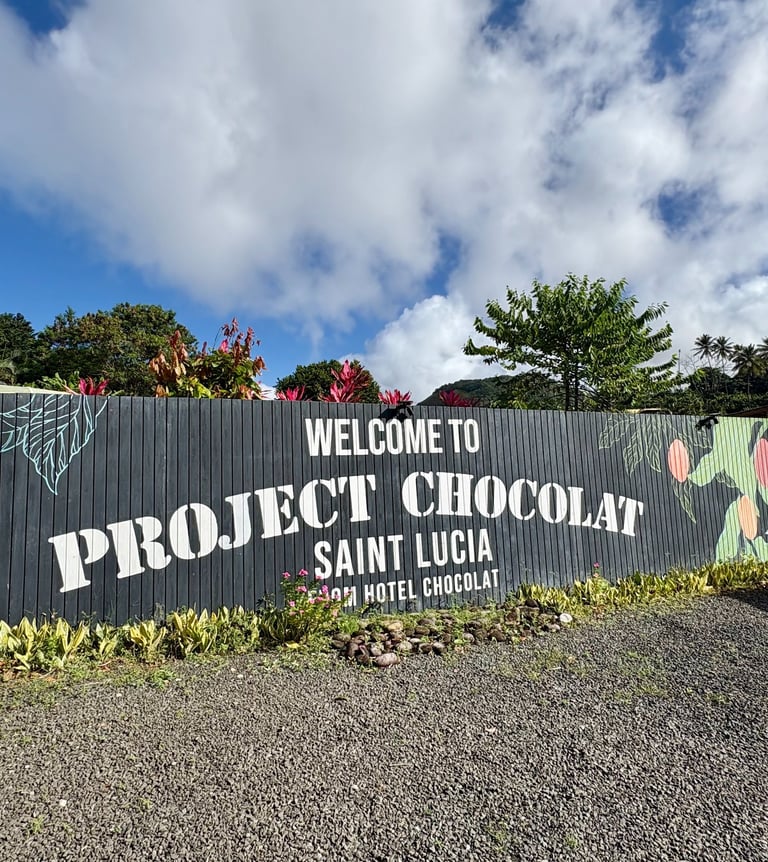
Hotel Chocolat, Rabot Estate
📍Soufriere, St. Lucia, West Indies
If you love chocolate and are curious about how it’s made, be sure to check out Hotel Chocolat on the beautiful Caribbean island of Saint Lucia. During your visit, you can tour the grounds, learn more about the cacao plant, and even make your own chocolate bar from scratch—all while being surrounded by lush tropical rainforests and sweeping views. Read on to learn more about this unique experience!
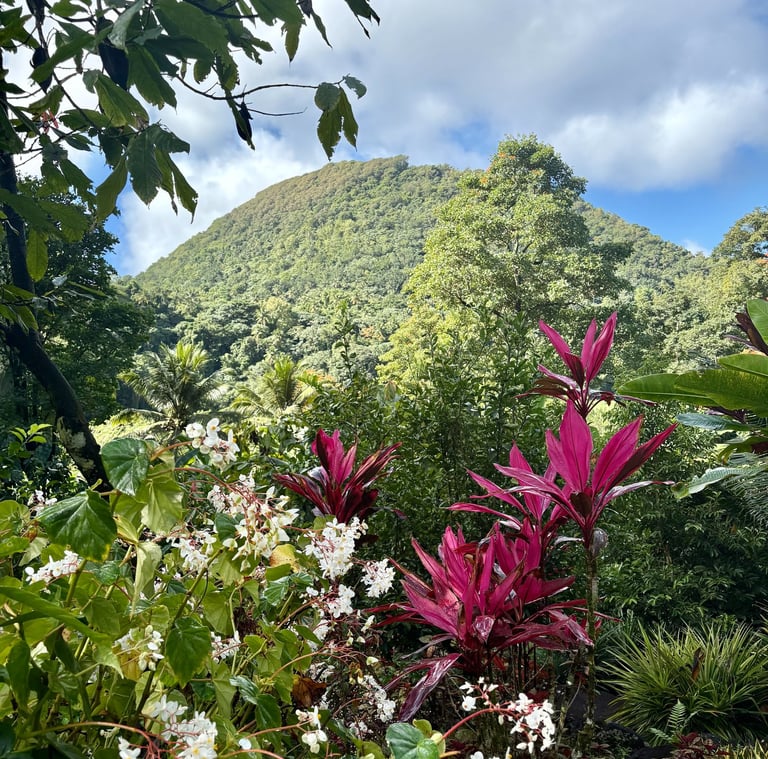
About Hotel Chocolat:
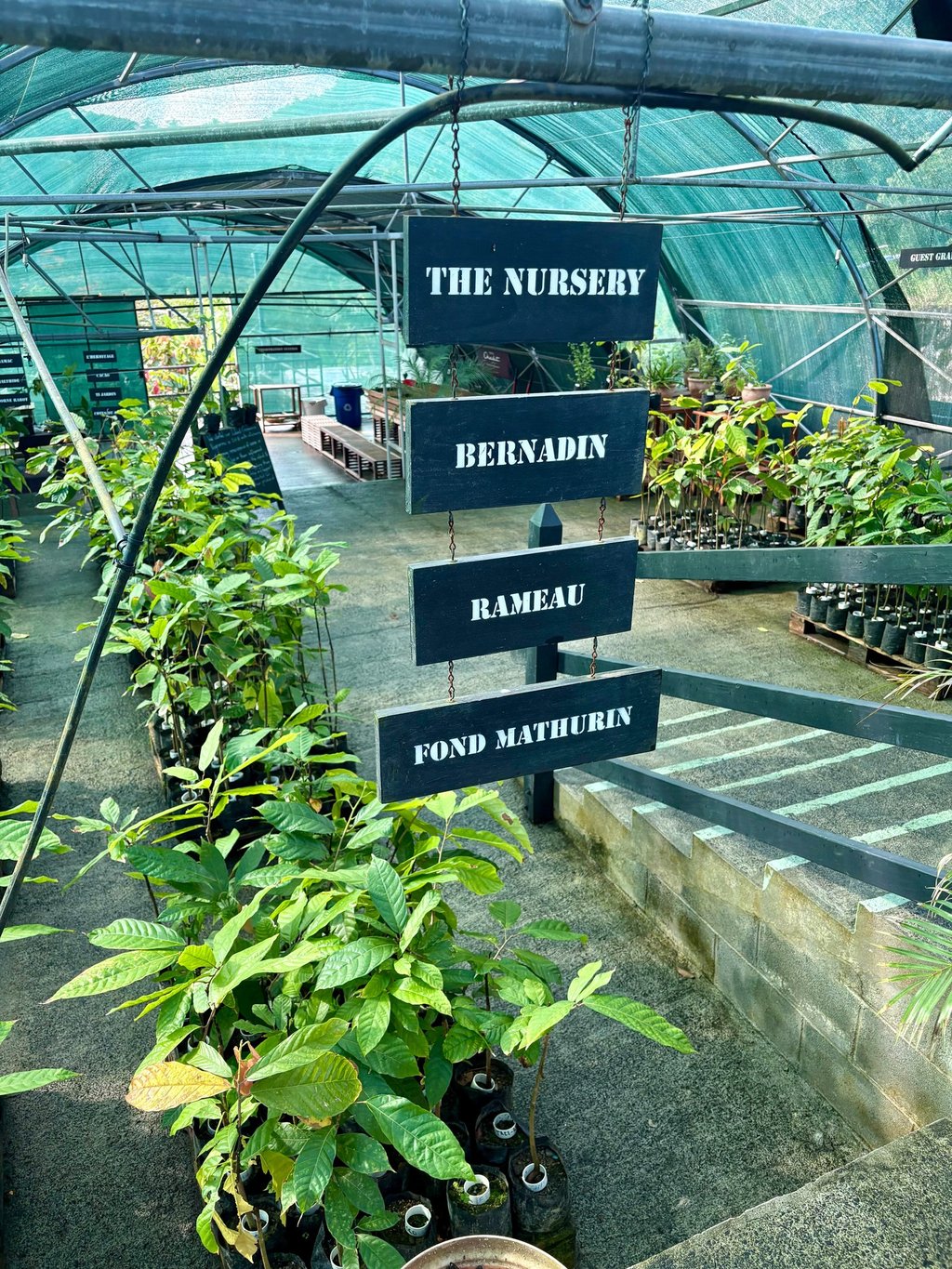
Located on the Caribbean island of Saint Lucia, the cacao farm began in 2006, when a plot of overgrown land was purchased and transformed into a 140-acre sustainable estate. The property sits within a UNESCO World Heritage–designated area, recognized for its cultural, historical, and scientific significance and protected under an international treaty administered by UNESCO. Today, the site includes a luxury eco-hotel and offers a variety of visitor experiences, including farm tours, chocolate making, shopping, and dining. The brand’s premium chocolate is now sold across the UK, the United States, and Japan.
In addition to Saint Lucia, Hotel Chocolat also grows cacao in Nkawkaw, Eastern Ghana, to support its production. Through its Gentle Farming Charter, the company pays higher rates for cacao to help Ghanaian farmers earn a fair living income. It also provides resources and investment to support more sustainable cacao production. To learn more about this initiative, visit the Hotel Chocolat website.
Tours:
Hotel Chocolat currently has two tours to embark on: Tree to Bar or Bean to Bar.
Tree to Bar:
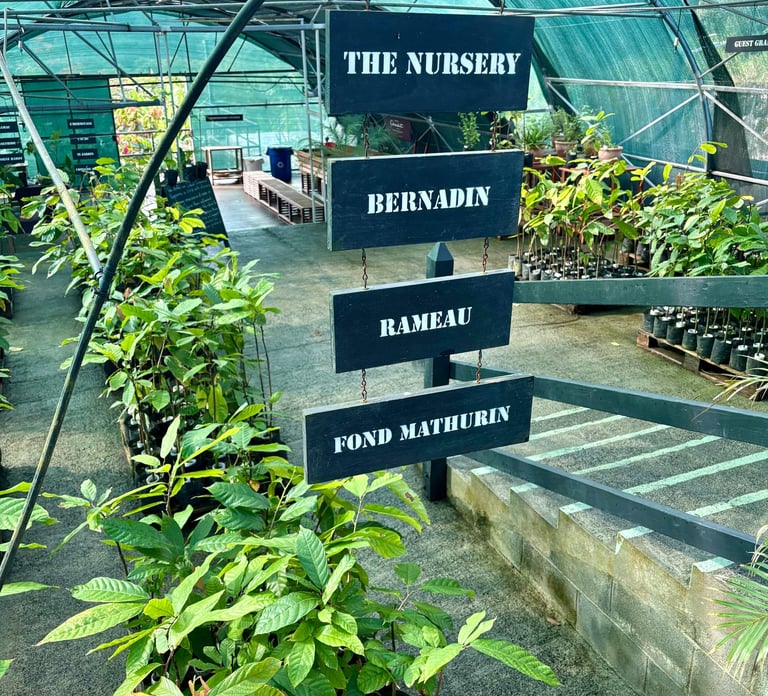
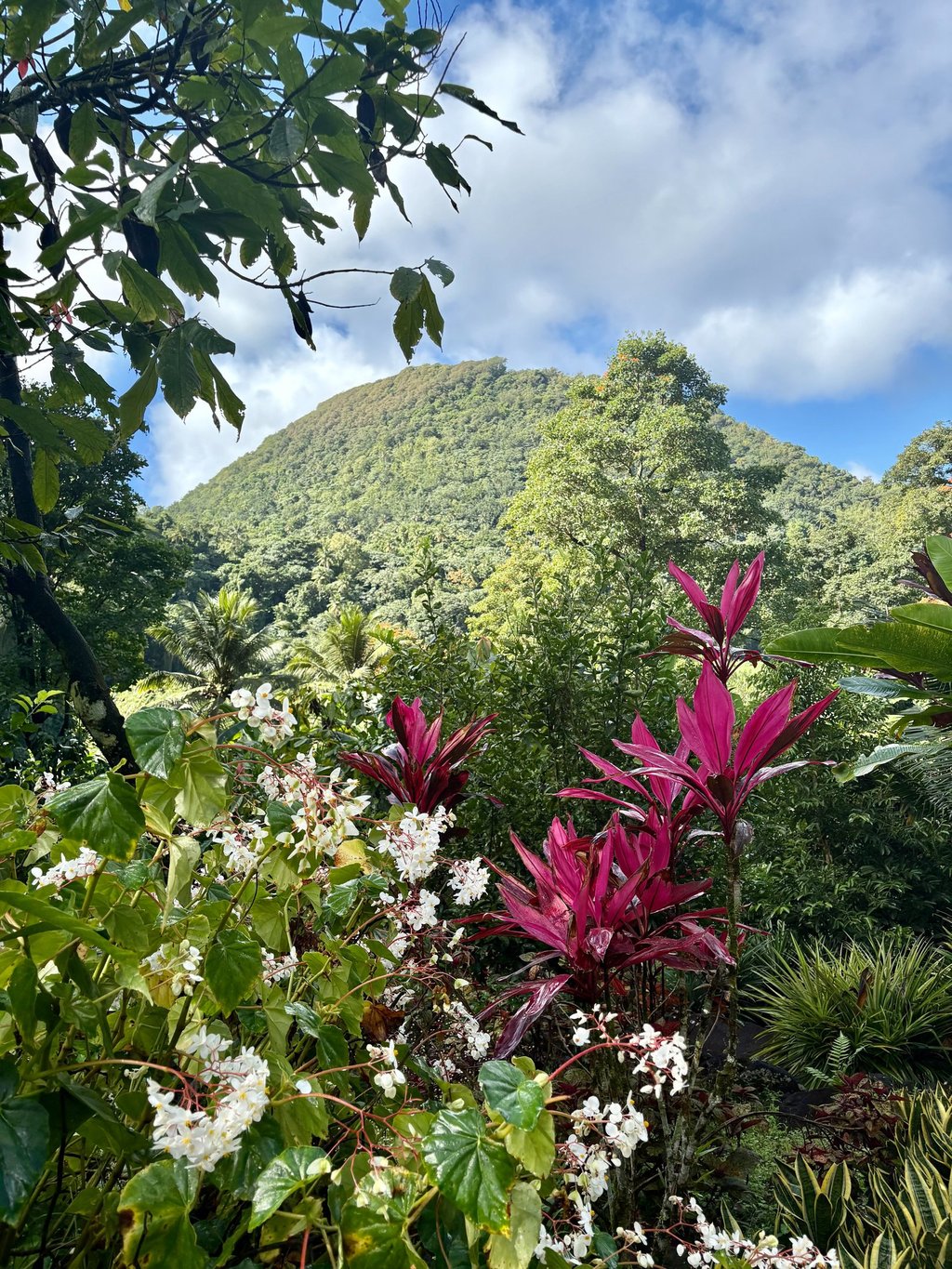
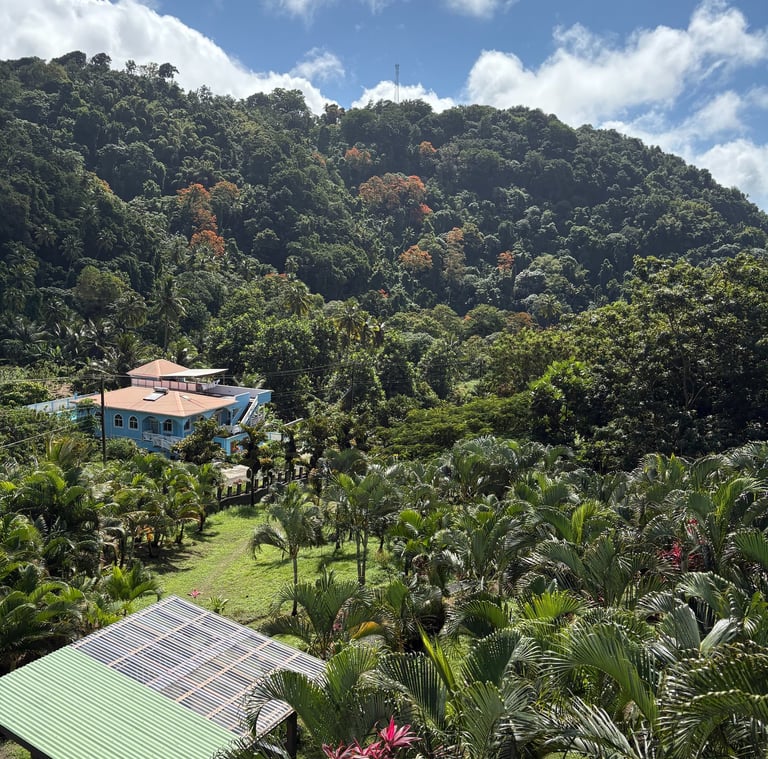
This experience allows you to tour the grounds and learn how cacao plants are cultivated from the very beginning. A knowledgeable guide explains how cacao beans are grown using organic and sustainable farming methods as you walk through the property, which is surrounded by lush greenery and vibrant tropical flowers. The tour includes frequent stops for photos, which is especially appreciated at a scenic viewpoint where one of the island’s famous Pitons can be seen rising through the trees.
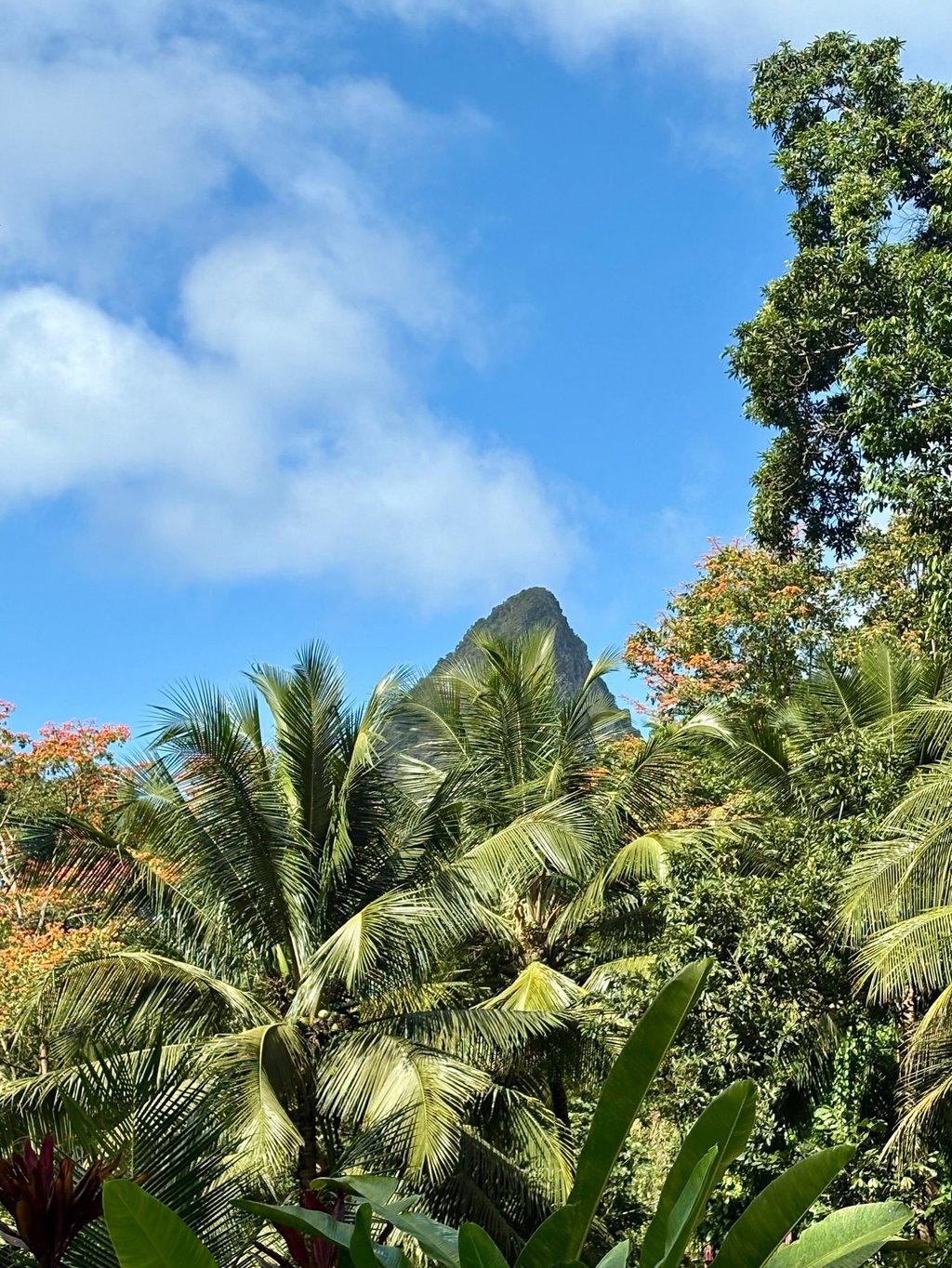
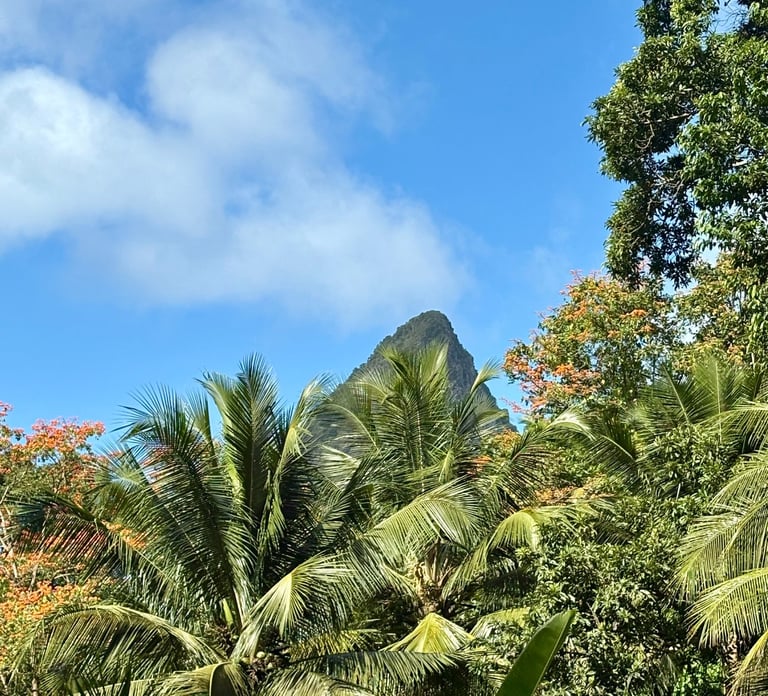
In addition to the beautiful grounds, you’ll have the opportunity to see what a cacao pod looks like up close and even sample a cacao seed straight from the tree. The seed is surrounded by a white, fleshy pulp that tastes surprisingly sweet and tropical. The flavor almost reminds me of mango—nothing like the taste of a chocolate bar.
Keep in mind that you should not actually swallow the seed. Instead, chew its outer casing and then spit it out, similar to how you would handle the seed of a grape.
Tip: Wear sturdy shoes, as the tour involves walking through a hillside farm with steep terrain. There are also numerous stairs, so be prepared for a fair amount of climbing at higher elevations.
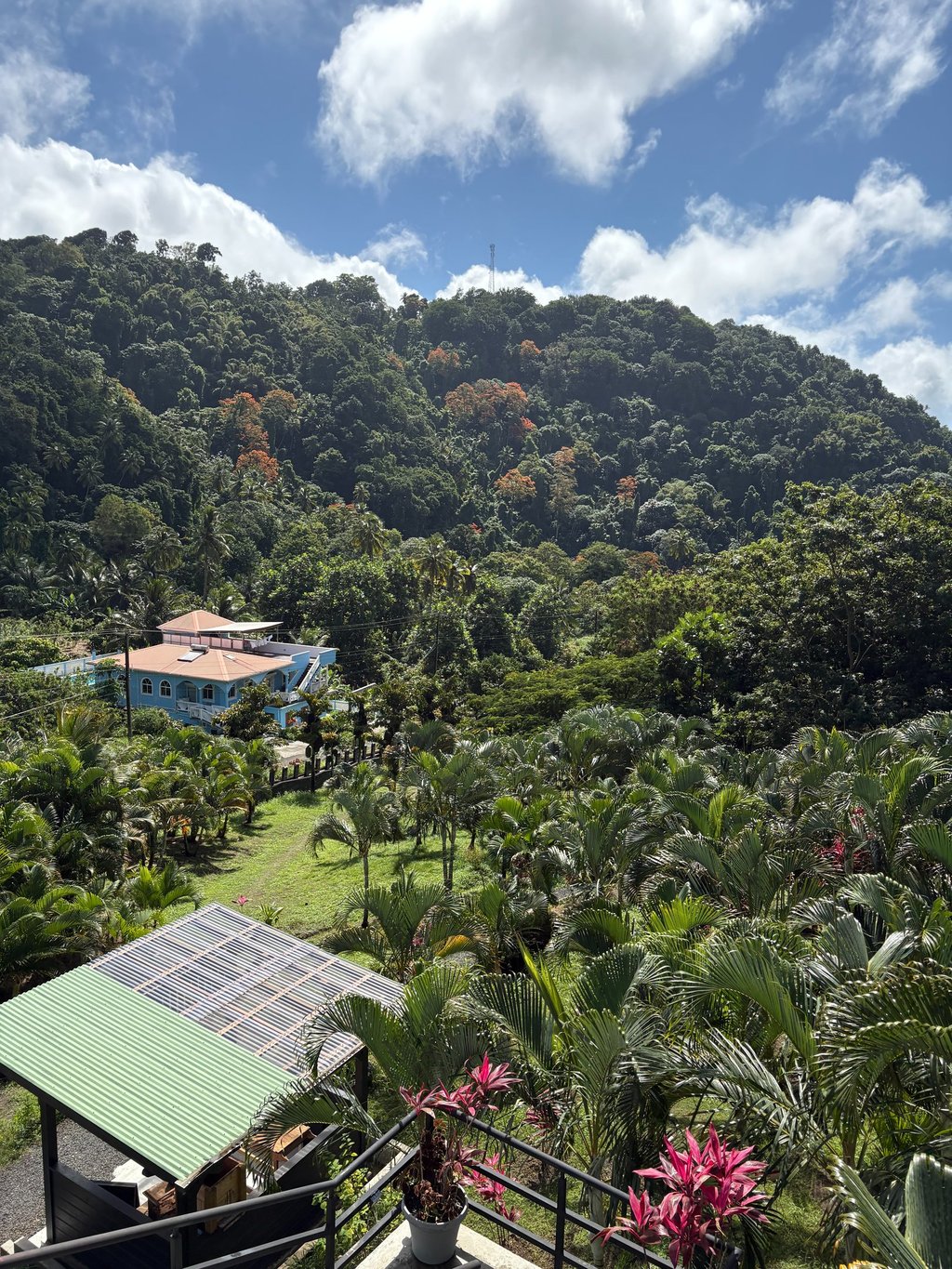
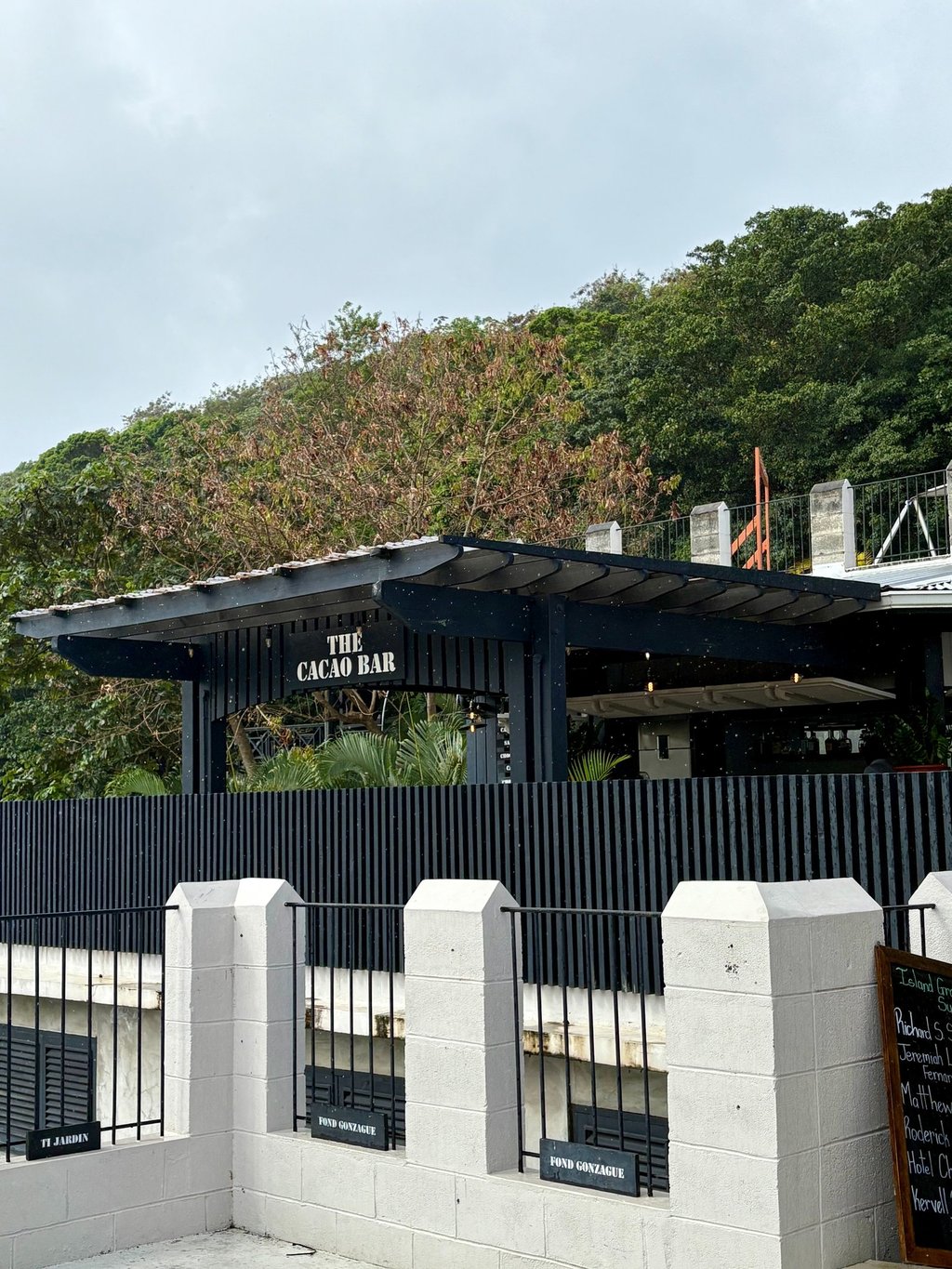
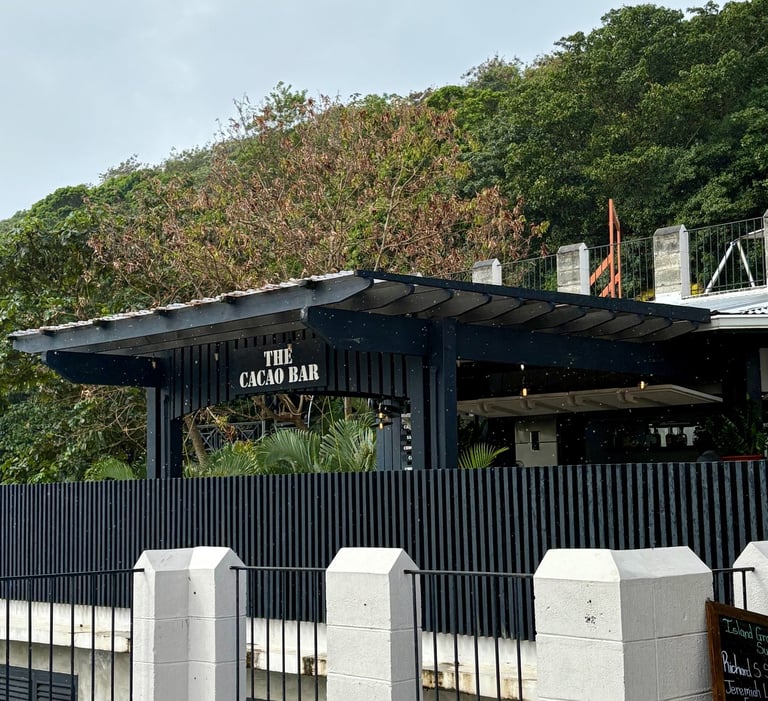
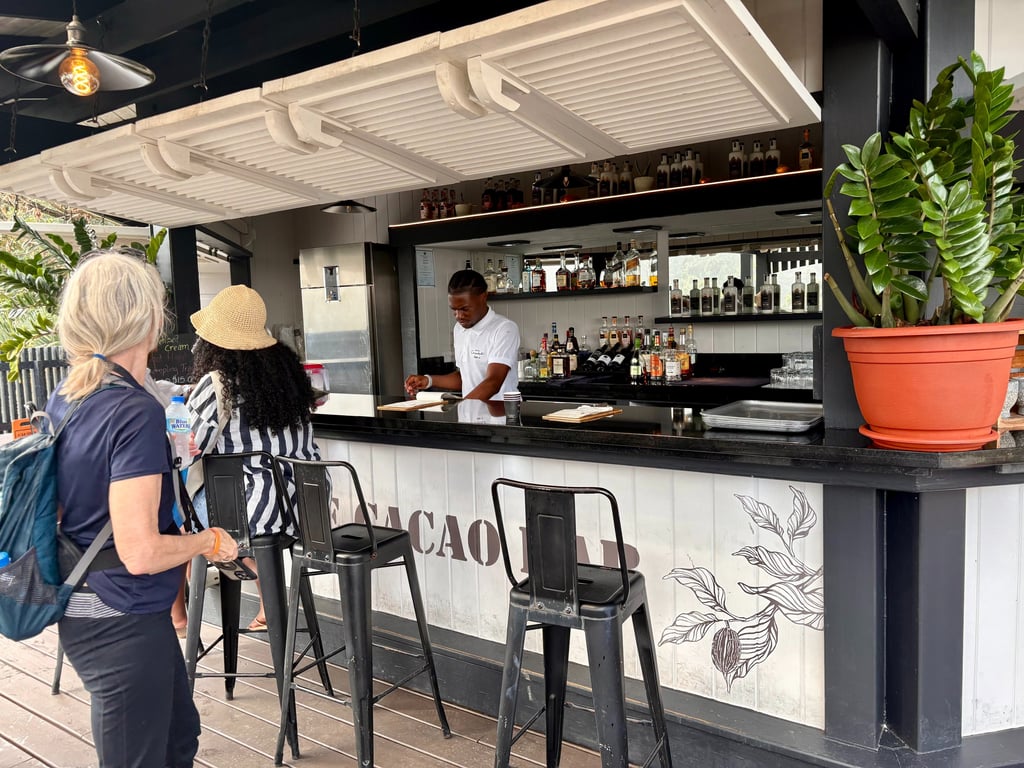
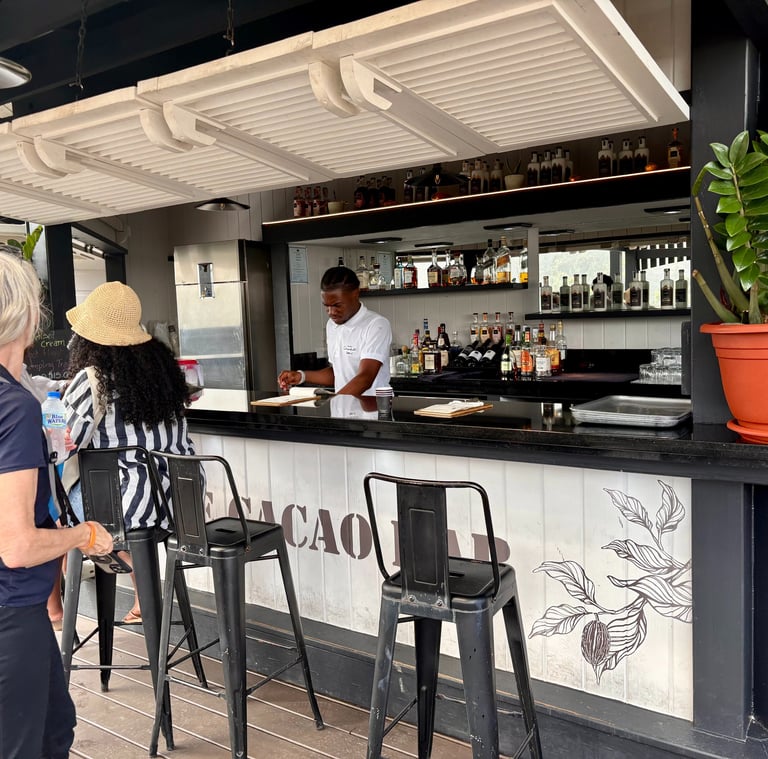
After the farm tour, you will continue uphill to the main processing facility, food court, and gift shop. The Cacao Bar is the first stop in the food court area, where the bartender provides a sample of rich, creamy hot chocolate. Other offerings include coffee, ice cream, and a selection of street-food–style dishes. Nearby, the gift shop sells chocolate, rum, liqueurs, soap, lotion, clothing, and other souvenirs. Vendors accept both credit cards and cash.
Tip: Portions of the tour are covered, but some areas are exposed to the elements. If rain is in the forecast, it’s a good idea to bring a light raincoat.
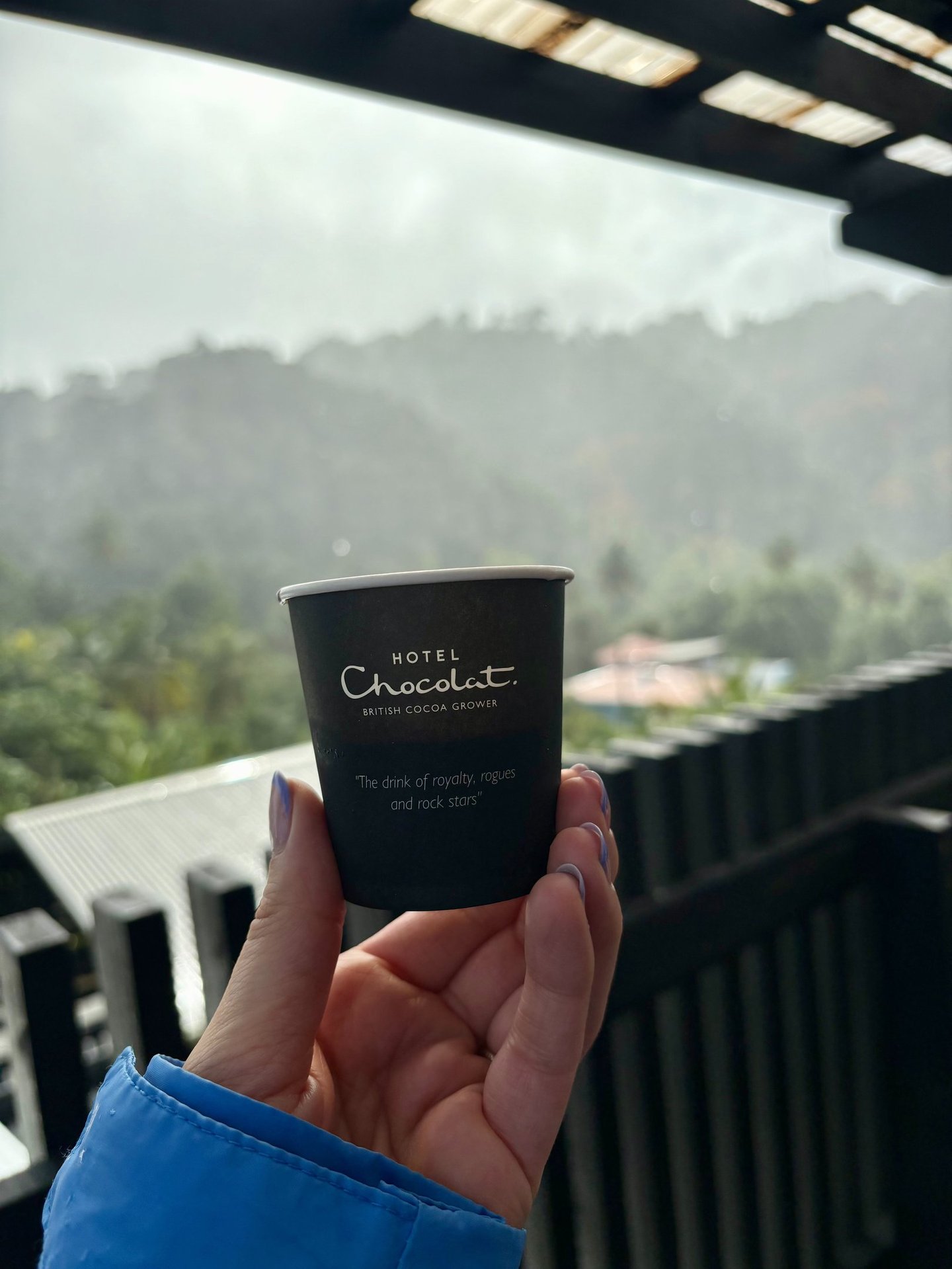
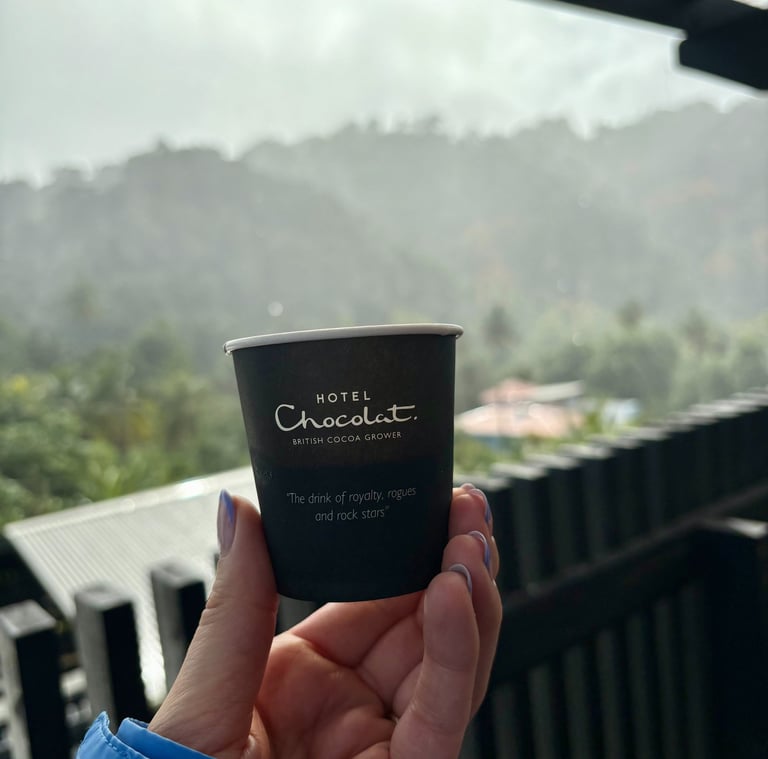
The Tree to Bar tour also includes the opportunity to make your own chocolate, which is explained below. However, if you prefer to skip the farm portion, you can jump straight to the chocolate-making experience with the Bean to Bar tour.
Tip: Wear bug spray, as mosquitoes are present on the property—I got bitten a few times during my visit.
Bean to Bar:
This tour focuses solely on the chocolate-making process and does not include the farm experience. However, the Tree to Bar tour includes both. Participants are provided with a heated mortar and pestle, along with simple ingredients: roasted cacao seeds, cacao butter, and powdered sugar. A guide walks you through each step, starting with grinding the cacao seeds into a paste, then adding cacao butter to create a rich, creamy texture. Sugar is added to taste, depending on how sweet you prefer your chocolate. Once the mixture is complete, you pour it into a plastic mold and allow it to set into a chocolate bar.
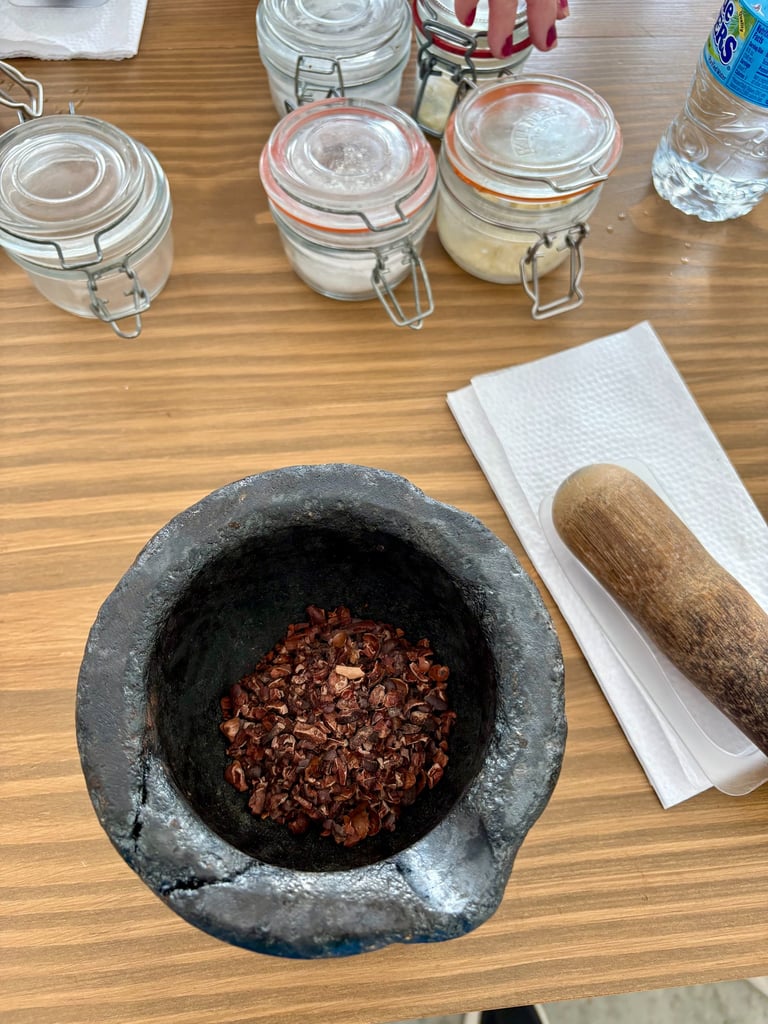
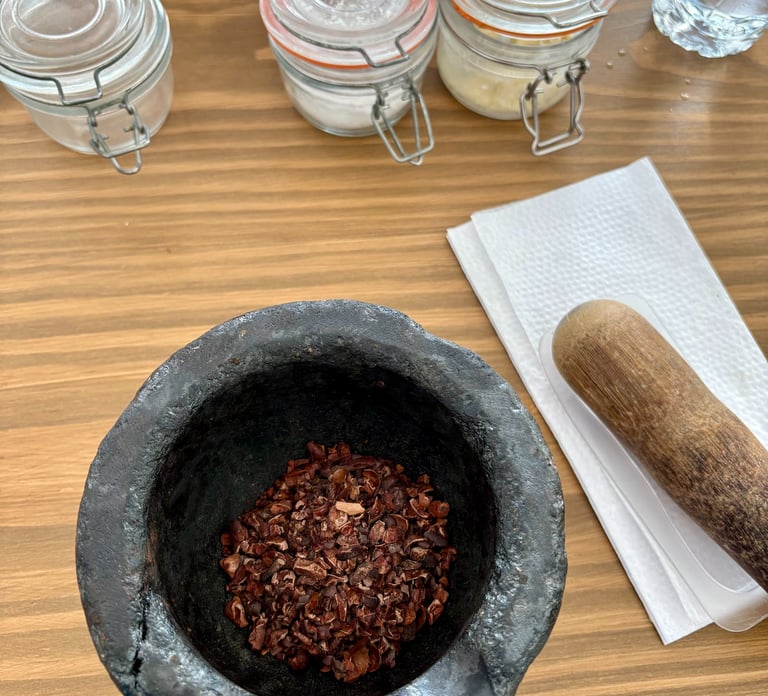
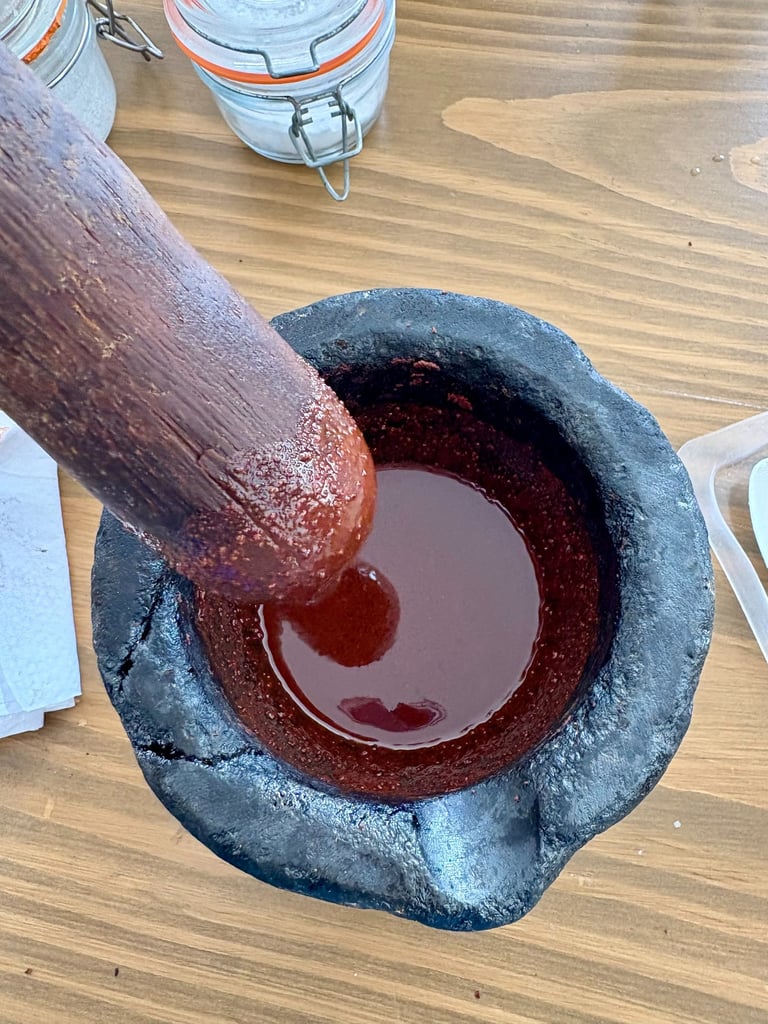
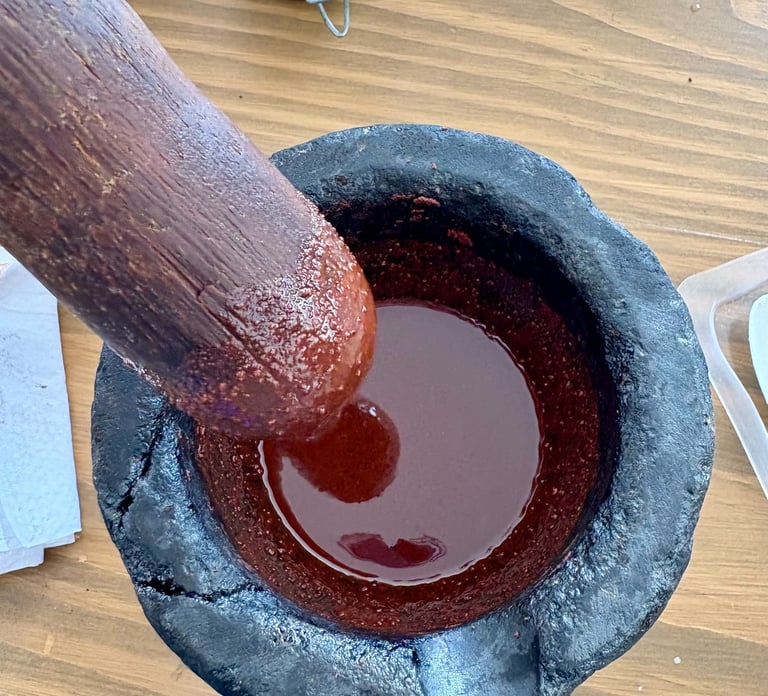
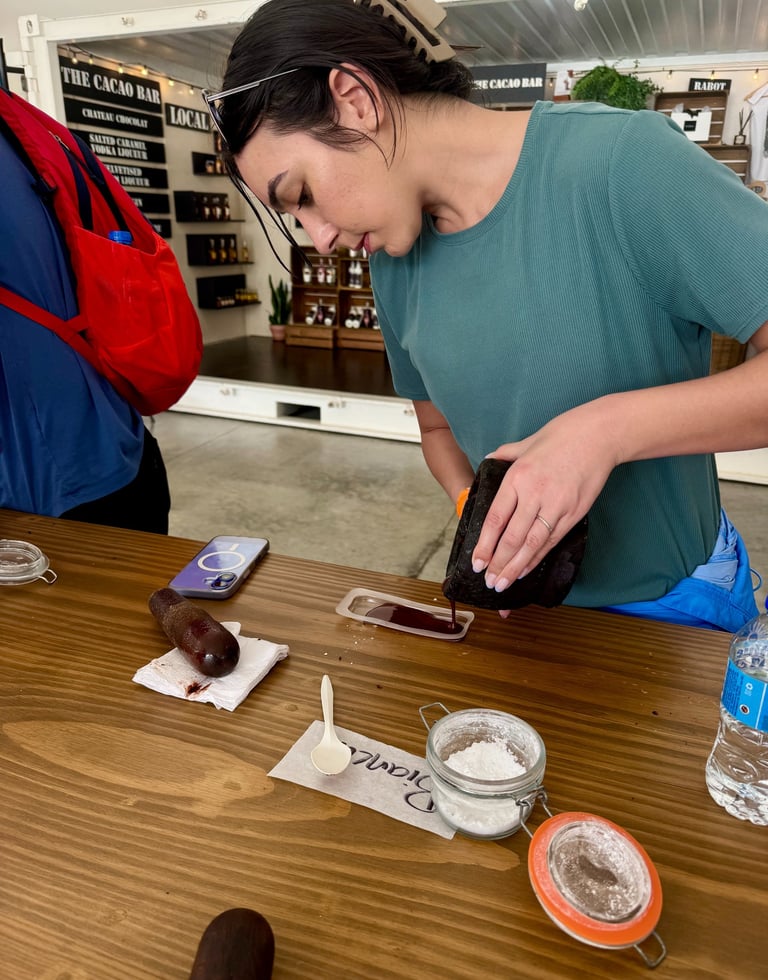
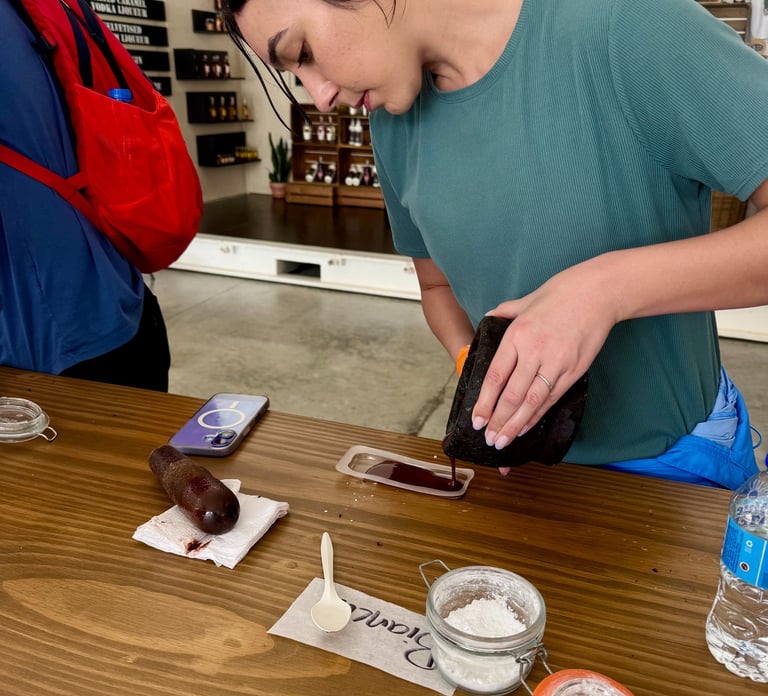
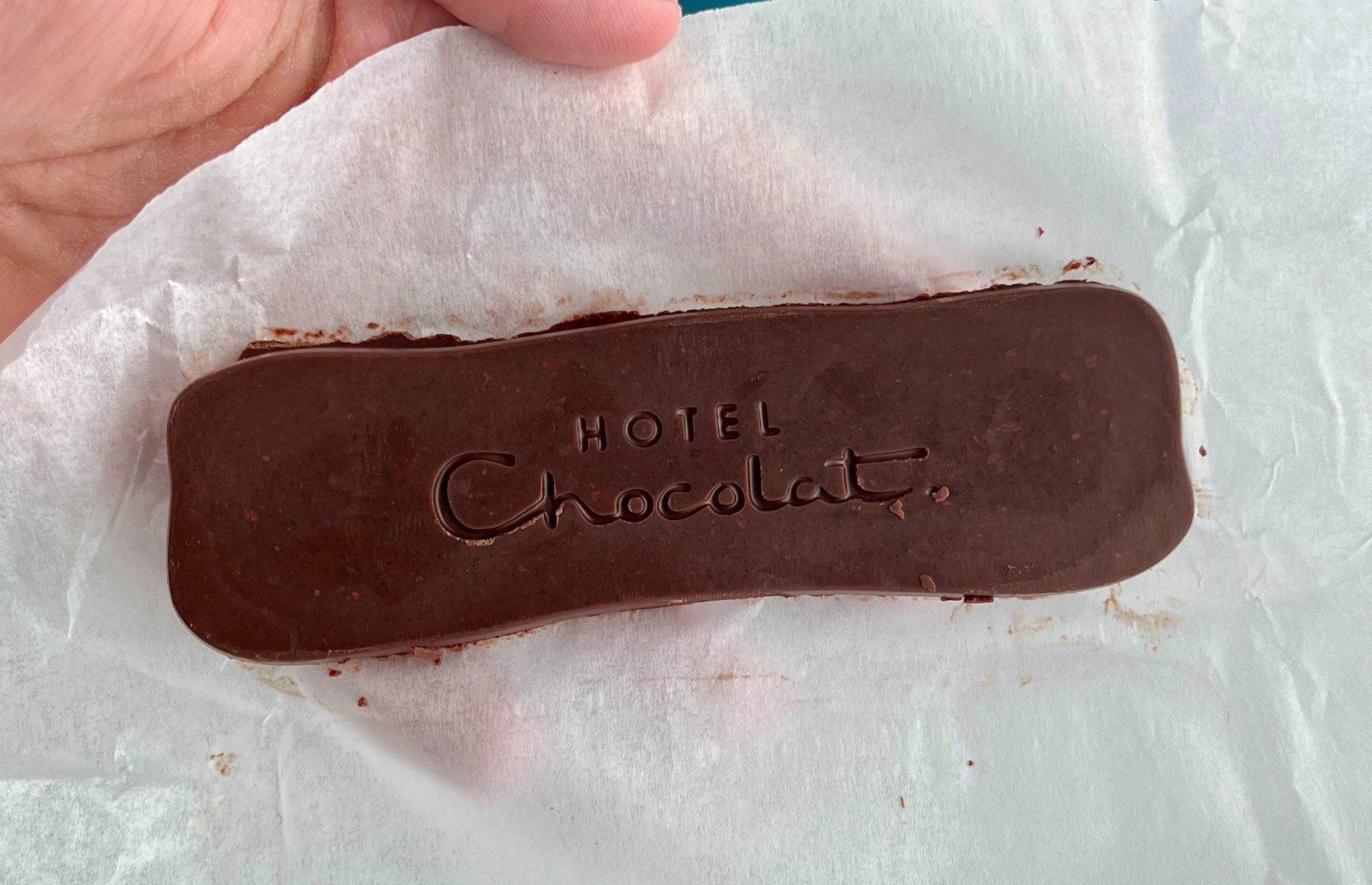
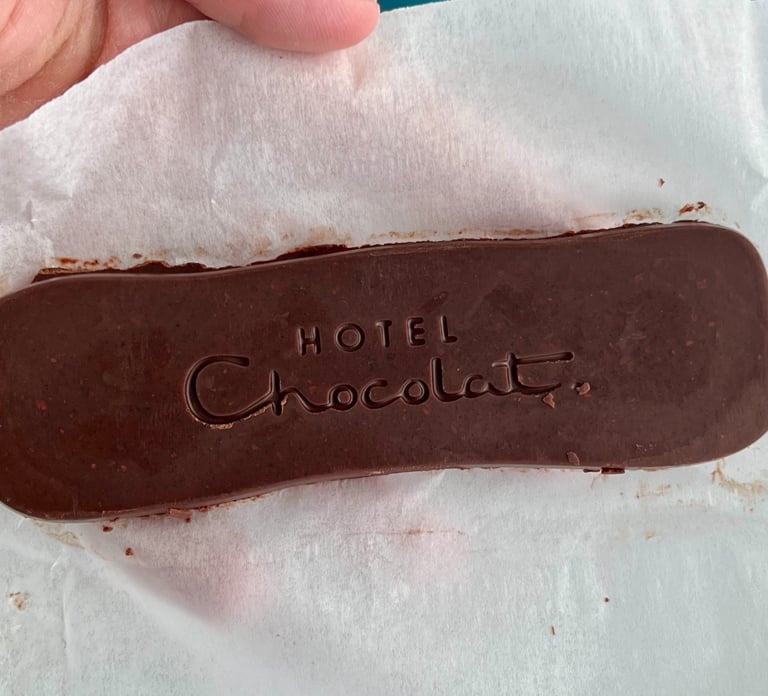
The chocolate itself is rich and may contain crunchy grains from the roasted cacao beans since they were ground by hand instead of by machine. However, it was a very cool experience to learn how to make chocolate from scratch and to understand the whole process from start to finish. In addition, making chocolate while surrounded by lush rainforest was especially memorable.
Overall, I thoroughly enjoyed the full Tree to Bar tour and would highly recommend it to anyone visiting Saint Lucia.
How to Book:
We stayed at the Coconut Bay Beach Resort & Spa, which was an all-inclusive resort that offered excursions at an additional cost. We booked the Tree to Bar experience directly through the resort and this included transportation.
However, if you would like to book directly through Hotel Chocolat then you can do so online through their website. The Tree to Bar tour is around $125 per person while the Bean to Bar tour is around $70 per person.